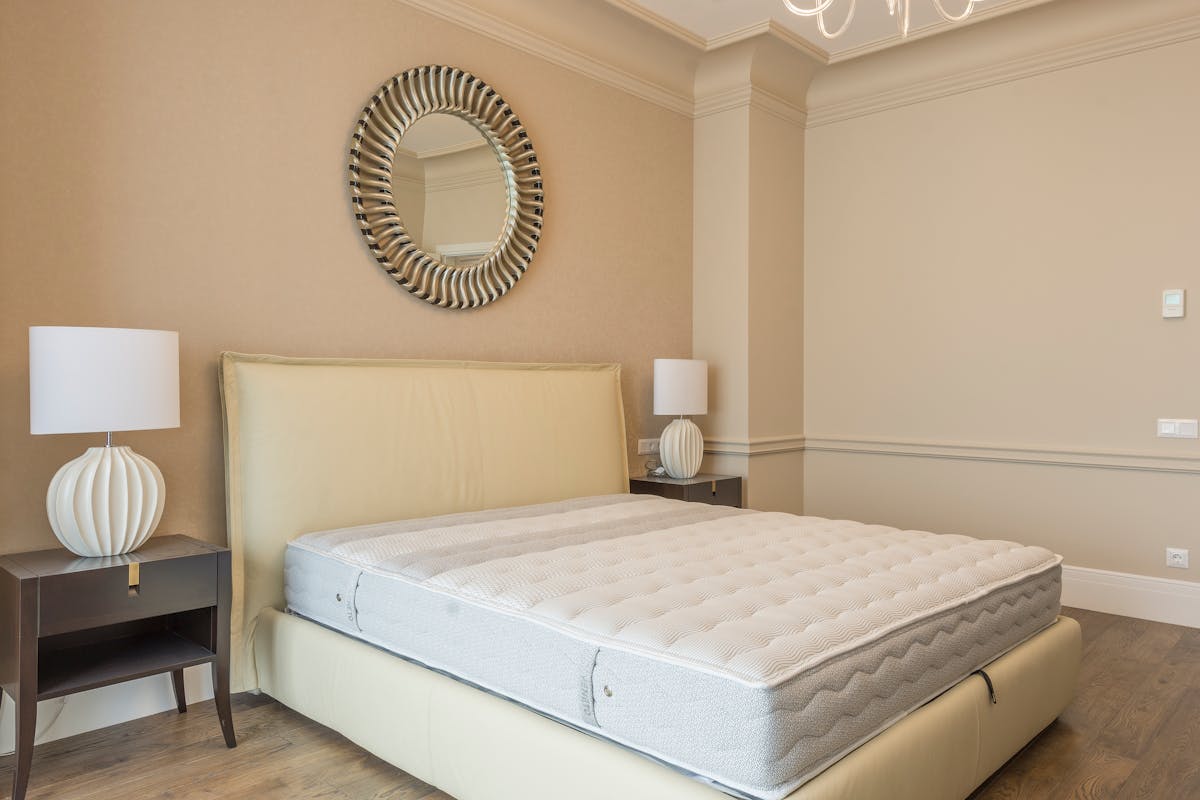
Bed bugs are one of the most common calls we get in Harlem, and the neighbourhood's housing stock is a big part of why. Between the pre-war walk-ups, the historic brownstones (many converted into multi-unit rentals), and the Striver's Row rowhouses, this neighbourhood has an unusually high share of shared-wall, shared-hallway housing — exactly the conditions bed bugs use to move from one unit to the next without ever going outside.
Brownstone conversions are a particular risk. A building built as a single-family rowhouse and later split into three or four rental units often has shared wall cavities and connecting voids that were never sealed for pest control, so an infestation in one unit can reach a neighbour's bedroom through the wall itself, not just via a hallway. That's a different spread pattern than a professionally built multi-family building with fire-rated separations between units.
Because of that spread risk, a Harlem bed bug job isn't complete until we've assessed whether adjoining units need inspection too — treating one apartment in a brownstone conversion and ignoring the wall it shares with the next unit is why so many DIY and single-unit treatments fail to hold.
We combine targeted insecticide application with whole-room heat for heavier infestations, encase mattresses and box springs to catch survivors, and provide documented treatment records that satisfy NYC's bed bug disclosure requirements for landlords and tenants alike.
What should New Yorkers know before booking bed bug treatment?
New York City requires building owners to disclose a unit's bed bug infestation history to incoming tenants and to file an annual bedbug report — so documented, professional treatment protects tenants and owners alike. (NYC Housing Preservation & Development)
Heat kills bed bugs at every life stage: the US EPA notes steam must reach at least 130°F (54°C) to be effective — the same lethal-temperature principle professional whole-room heat treatments rely on, which is why they can clear an infestation eggs included in a single visit. (US EPA — bed bug control)
The common bed bug (Cimex lectularius) spreads through shared walls, second-hand furniture and luggage rather than dirt or poor hygiene — which is why infestations in well-kept NYC apartments are routine, and why treating a single room rarely ends a building-level problem. (Cimex lectularius — Wikipedia)
Heat treatment vs conventional insecticide — which is right for your apartment?
| Whole-room heat | Conventional insecticide | |
|---|---|---|
| Kills eggs on first visit | Yes — heat is lethal to all life stages | No — follow-up visits target newly hatched bugs |
| Typical visits required | Usually one full-day treatment | Two to three visits, 10–14 days apart |
| Preparation burden | Heat-sensitive items removed; most belongings stay | Laundering, bagging and decluttering required |
| Best suited to | Heavy or building-spread infestations | Light, early-caught infestations |
| Residual protection | None once the room cools | Residual products keep working between visits |
Before you call: what a bed bug problem really means
- Bed bugs are not a sign of a dirty home — they hitchhike in on luggage, second-hand furniture and through shared walls, and turn up in five-star hotels and spotless apartments alike. Delaying out of embarrassment only gives the infestation time to grow.
- Bites alone are not proof — many people don't react to them at all. The reliable signs are live bugs in mattress seams, rust-coloured spots on bedding, and pale shed skins.
- One visit is rarely the whole job, and that's biology, not an upsell. Bed bugs hide in cracks that are hard to reach and insecticides don't reliably kill eggs, so a follow-up inspection is standard practice — heat-treatment survivors are common at floor-wall junctions, and chemical programs run over two to three visits tied to the egg-hatch cycle.
- DIY store sprays usually make it worse: they scatter bed bugs into new rooms without killing the eggs, so the problem comes back larger and costlier to treat.
What bed bug treatment costs in NYC
Bed bug treatment is priced by the size of the space, how far the infestation has spread, and the method used — not a flat fee. These are typical NYC ranges to set expectations; your exact price is confirmed after a free inspection.
| Treatment | Typical range | What to expect |
|---|---|---|
| Chemical treatment (typical apartment) | $900 – $2,400 | Usually 2–3 visits over 3–6 weeks, timed to the egg-hatch cycle. |
| Heat treatment (whole apartment) | $1,500 – $4,000 | Often a single session; higher upfront but no return visits. |
| Single room / studio | from ~$300 – $600 | Smaller, contained jobs sit at the lower end. |
Our guarantee.We back our bed bug treatment with a re-treatment guarantee — conditions apply (including completing the recommended preparation and follow-up visits). Your technician confirms the exact terms during the inspection.
Ranges are typical NYC market figures for guidance only. The cheapest first visit is not always the cheapest overall — a single heat session can total less than several chemical visits. Your quote is confirmed at a free inspection.
How much does bed bug treatment cost in NYC?
$300–$4,000
Per room (chemical): $300–$600. Per whole apartment (heat): $1,500–$4,000. National per-job average: $145–$500 (Bob Vila) to $1,000–$4,000 whole-home (aggregator synthesis).
| Chemical treatment | $300–$600 per room |
| Heat treatment | $1,500–$4,000 per apartment |
Market range — not our quote
This is a market range synthesised from published cost guides — not a quote from this provider. The actual price depends on an in-person or photo-based inspection.
The NYC per-room/heat figures come only from tier-2 NYC pest-industry blogs; the national anchor (Bob Vila $145–$500) is markedly lower, suggesting NYC-specific multi-visit chemical or heat jobs are being compared against a simpler national per-visit figure. Wide spread — verify against a real local quote before treating as a firm number.
What drives the price
- Chemical (multi-visit, cheaper per visit) vs heat (single visit, higher upfront)
- Apartment size / room count
- Severity and spread of infestation
- K9 inspection add-on for post-treatment clearance
Signs you have a bed bug control problem
- Itchy bites in a line or cluster after sleeping, especially along exposed skin
- Rust-coloured spotting on sheets, mattress seams, or the headboard
- Live bugs in mattress seams, box spring joints, or behind loose wallpaper near a shared wall
- Small pale eggs or shed skins in furniture crevices or baseboard gaps
- A neighbour in the same brownstone or walk-up reporting bites around the same time
Why Harlem sees this
Harlem's pre-war apartment buildings, historic brownstones and walk-ups create more shared-wall and shared-hallway spread risk for bed bugs than newer multi-family construction with sealed unit separations.
Brownstone conversions — a single-family rowhouse split into several rental units — are especially prone to bed bug spread through the shared walls and hallways those conversions leave behind.
Under NYC's bed bug disclosure law (Local Law 69 / Admin Code §27-2018.1), landlords must disclose a unit's prior-year bed bug history at lease signing — our documented treatment record is what satisfies that requirement.