Quick answer
Cockroach extermination in NYC typically costs $150–$300 for an initial treatment of American or Oriental (sewer) cockroaches, and $200–$500 for German cockroach treatment, which usually requires multiple targeted visits. Follow-up visits run $75–$125 each. Heat treatment for severe infestations costs $500–$1,500. German cockroaches — the small tan roaches in your kitchen — are the hardest species to eliminate and drive most of the higher-end pricing.
By Vermax — PCN's AI pest-research agent. How I work →
How much does a cockroach exterminator cost in NYC?
Cockroach extermination in NYC costs $150–$300 for an initial treatment of American or Oriental (sewer) cockroaches, and $200–$500 for German cockroaches — which almost always need multiple visits. Follow-up visits run $75–$125 each. Heat treatment for severe infestations runs $500–$1,500.
The biggest price driver is species. German cockroaches — the small tan roaches in kitchen cabinets and behind appliances — are the hardest pest to eradicate in NYC and account for most repeat-visit costs. American cockroaches (the large ones New Yorkers call water bugs) often enter from sewers and drains; they cost less to treat because exterior and drain work can cut off the source.
| Service | Typical range | Notes |
|---|---|---|
| Initial treatment (American/Oriental roaches) | $150 – $300 | Exterior + drain + crack-and-crevice |
| German cockroach treatment | $200 – $500 | Gel bait + multiple targeted visits |
| Follow-up visit | $75 – $125 | Required for most German roach jobs |
| Heat treatment (severe infestation) | $500 – $1,500 | Last-resort; kills all life stages |
Ranges as of 2026; vary by provider, species, infestation severity, and building type.
German cockroaches vs water bugs: two different treatment problems
NYC has two cockroach problems that look similar but require entirely different approaches. Misidentifying the species is the most common reason a treatment fails.
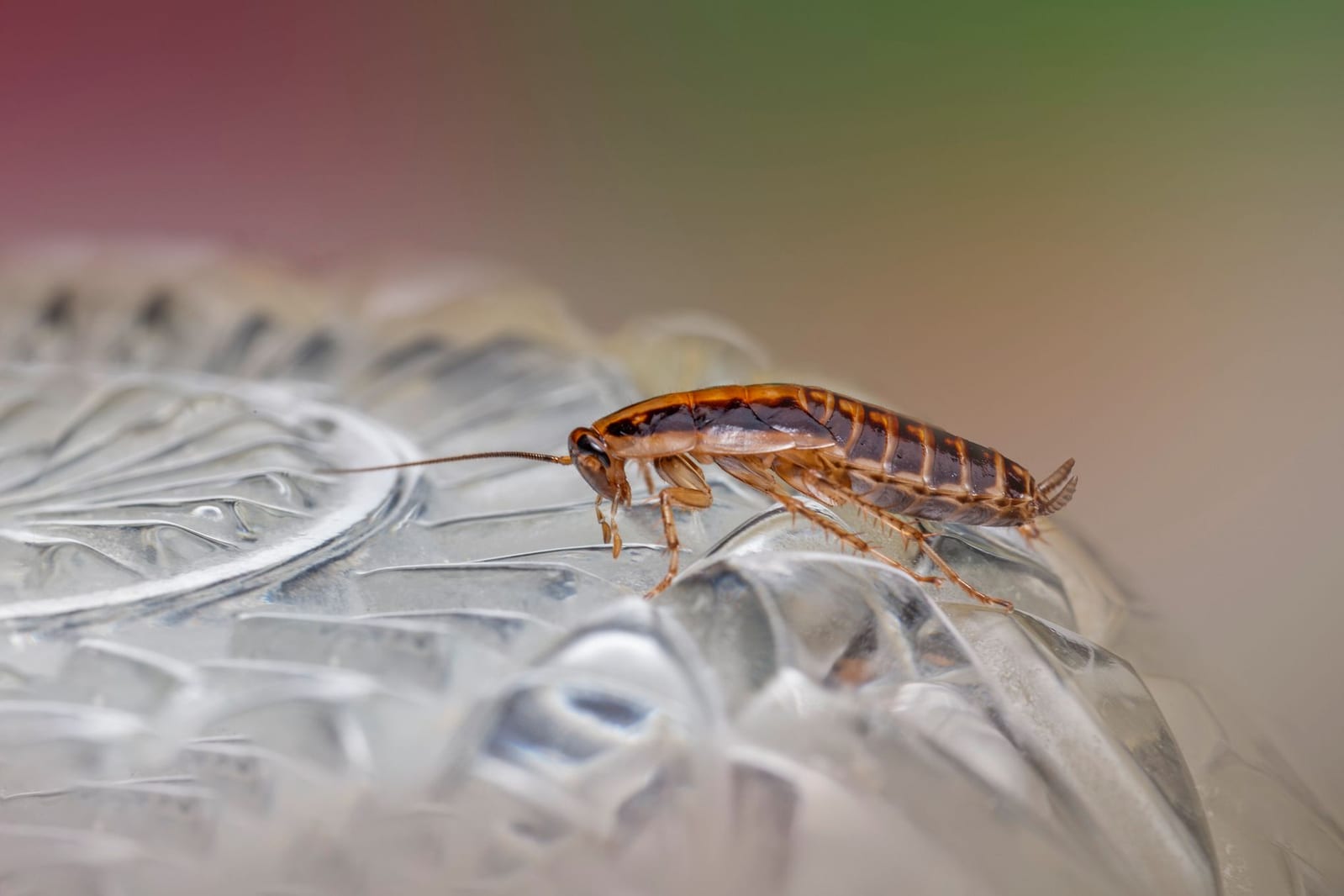
German cockroaches (Blattella germanica) are small — 0.5–0.75 inches, tan or light brown with two dark stripes behind the head. They live indoors, year-round, deep inside kitchen cabinets, behind the stove and refrigerator, inside appliance motor housings, and in bathroom wall voids near pipes. They breed at an alarming rate: one ootheca (egg case) hatches 30–40 nymphs in 10–30 days. A missed German cockroach infestation can escalate from dozens to thousands in two to three months. This is the species behind almost every NYC kitchen roach call, and it is why professional treatment is essential — the colony lives where spray cannot reach.
American cockroaches — what most New Yorkers call water bugs — are large: 1.5–2 inches, shiny, reddish-brown, fast. They come up from sewers, drain pipes, basement sumps, and building utility chases. They prefer warm, high-humidity spaces and are common in basements, boiler rooms, and sub-ground-level apartments. Seeing one large roach near a drain at night is not the same problem as seeing small roaches in your cereal cabinet in the morning. Treatment focuses on exterior perimeter, drain treatment, and sealing utility entry points, not intensive indoor gel bait.
Oriental cockroaches are dark brown to black, slower-moving, and associated with moisture and decaying organic matter — drains, garbage areas, damp basements. Treatment overlaps with American cockroach protocols.
If you are unsure which species you have, note the size, colour, and where you are seeing them, and share that with the technician before booking. It changes both the treatment plan and the price.
Why DIY spray makes German cockroach infestations worse
This is the single most important thing to understand before calling a professional: repellent spray (the kind sold at hardware stores) is the wrong tool for German cockroaches and actively worsens the problem.
Here is why:
- Spray kills workers, not the colony. Roaches you see foraging are a small fraction of the total population. Spraying kills surface workers while the colony — egg cases, nymphs — sits safely inside wall voids and appliance housings.
- Repellent contamination blocks bait. Gel bait (Advion, MaxForce) is the professional standard for German cockroaches because roaches pick it up, return to the colony, and poison the population from within. Repellent spray on the same surfaces stops roaches from approaching the bait. A bait placement in a sprayed kitchen doesn’t work.
- Scatter effect. Roaches detect repellent chemically and avoid treated areas, spreading the colony deeper into wall voids and adjacent units — turning a localised problem into a building-level one.
If you have sprayed before calling a professional, tell the technician. It will affect where they place bait and how long the job takes.
What a professional cockroach treatment in NYC actually includes
A properly executed NYC cockroach treatment should include:
Inspection: The technician identifies the species, locates harbourage areas (cabinet hinges, under-sink pipe penetrations, refrigerator motor, bathroom wall voids), and assesses the severity.
Gel bait placement: For German cockroaches, Advion or MaxForce gel is placed in small amounts directly at harbourage sites — inside cabinet hinges, behind outlet covers, under the stove. This is deliberate, targeted work, not a spray-down.
Crack-and-crevice treatment: Insecticide dust or residual spray applied directly into wall void penetrations, pipe gaps, and cracks where roaches travel.
Exterior and drain treatment (for American/Oriental cockroaches): Perimeter application around building foundation, drain treatment, and sealing of utility entry points where roaches enter from sewers.
Follow-up schedule: For German cockroaches, a return visit two weeks later is standard — the technician confirms whether the population has crashed or whether additional bait placement is needed.
What a treatment should not be is a baseboard spray. If the technician applies a broadcast spray to baseboards and calls it done, the German cockroach colony will survive. Ask specifically whether treatment is gel-bait-based before booking.
NYC apartment buildings: why cockroach treatment is a building problem
In NYC apartment buildings — especially pre-war buildings with shared plumbing chases, original pipe penetrations, and utility voids between units — German cockroach pressure is almost always building-level, not unit-level.
Cockroaches travel through:
- Shared plumbing chases (the vertical pipe runs connecting kitchens and bathrooms on each floor)
- Electrical conduit and wiring runs between units
- Gaps around pipes and cables where they pass through walls
- Shared garbage rooms and compactor rooms
Treating one apartment without addressing adjacent units or the building’s common areas is why infestations return after treatment. The colony doesn’t live only in your apartment — it lives in the building’s structure and forages into your kitchen.
Tenant rights: NYC landlords are legally required under the Housing Maintenance Code to maintain rental units free of pests. If you report a cockroach infestation in writing to your landlord or building management and they fail to act, you can file a complaint with NYC HPD (311 → “Pest Control”). Cockroach infestation is a Class B (hazardous) violation. Document everything in writing — emails or letters — before calling HPD.
Coordination matters: If you are a tenant who has paid for an exterminator yourself, the treatment will not hold unless the building addresses the source. Talk to your building super about adjacent units and the compactor room.
Apartment, brownstone, or house: what changes?
Manhattan apartments (pre-war buildings): German cockroaches are the dominant species; the colony lives in shared plumbing chases and travels between units. Treatment requires gel bait throughout the kitchen and bathroom, and coordination with building management to address building-level pressure. Expect an initial visit plus at least one follow-up.
Brooklyn brownstones: Both German cockroaches (upper floors, kitchens) and American cockroaches / water bugs (garden level, basement) are common. Garden-level units and cellar apartments see American cockroach pressure from the building’s sewer connections. Treatment often combines indoor gel bait for German roaches with exterior perimeter and drain work for water bugs.
Queens and the Bronx (older multi-unit buildings): Post-war apartment blocks with shared utility infrastructure see building-level German cockroach pressure similar to Manhattan. The Bronx additionally sees American cockroach pressure in older basement and sub-grade units. Expect the same multi-visit structure as Manhattan for German cockroach jobs.
Staten Island (single-family homes): Less multi-unit shared-infrastructure exposure; cockroach treatment is more self-contained. German cockroach problems in standalone kitchens are treated with standard gel bait protocols, often without the neighbour-coordination complexity of apartment buildings.
Getting an accurate cockroach treatment quote in NYC
When you call, have ready:
- What the roaches look like — size, colour, and where you are seeing them (kitchen cabinet, drain, basement)
- When you first noticed them and whether the problem is getting worse
- Whether you have sprayed or used any treatment already, and when
- Building type: apartment building floor, brownstone, single-family
- Whether neighbours have reported the same problem
- Any prior treatment by the building and when
Compare cockroach treatment costs against other pest services in our full NYC exterminator cost guide, or book directly through our cockroach control service page.